
Grammar might not be the most exciting part of English class, but it IS the foundation for everything else. Think about it—strong grammar skills help students express themselves clearly, think through ideas, and write like pros. Adding daily grammar practice to your routine doesn’t just improve their skills; it can actually boost their confidence too!
That’s why it’s so important to make grammar part of every day in your classroom. Sound daunting? It doesn’t have to be!
In this post, I’ll dive into why daily grammar practice matters, share some easy and practical ways to fit it into your schedule, and look at how different grammar resources can make your life a little easier (and your students’ grammar a lot better!).
Want to make daily grammar practice quick and easy? Grab my Year of Grammar Warm-ups and never wonder how you’ll practice grammar again!

The Importance of Daily Grammar Practice
Whether you’re teaching sentence structure, punctuation, or verb usage, grammar is one of those skills that thrives on regular attention.
Giving students a chance to practice daily not only reinforces their understanding but also helps them see how these rules apply in real-world communication. Here are some reasons why daily grammar practice matters and how it can transform your students’ skills.
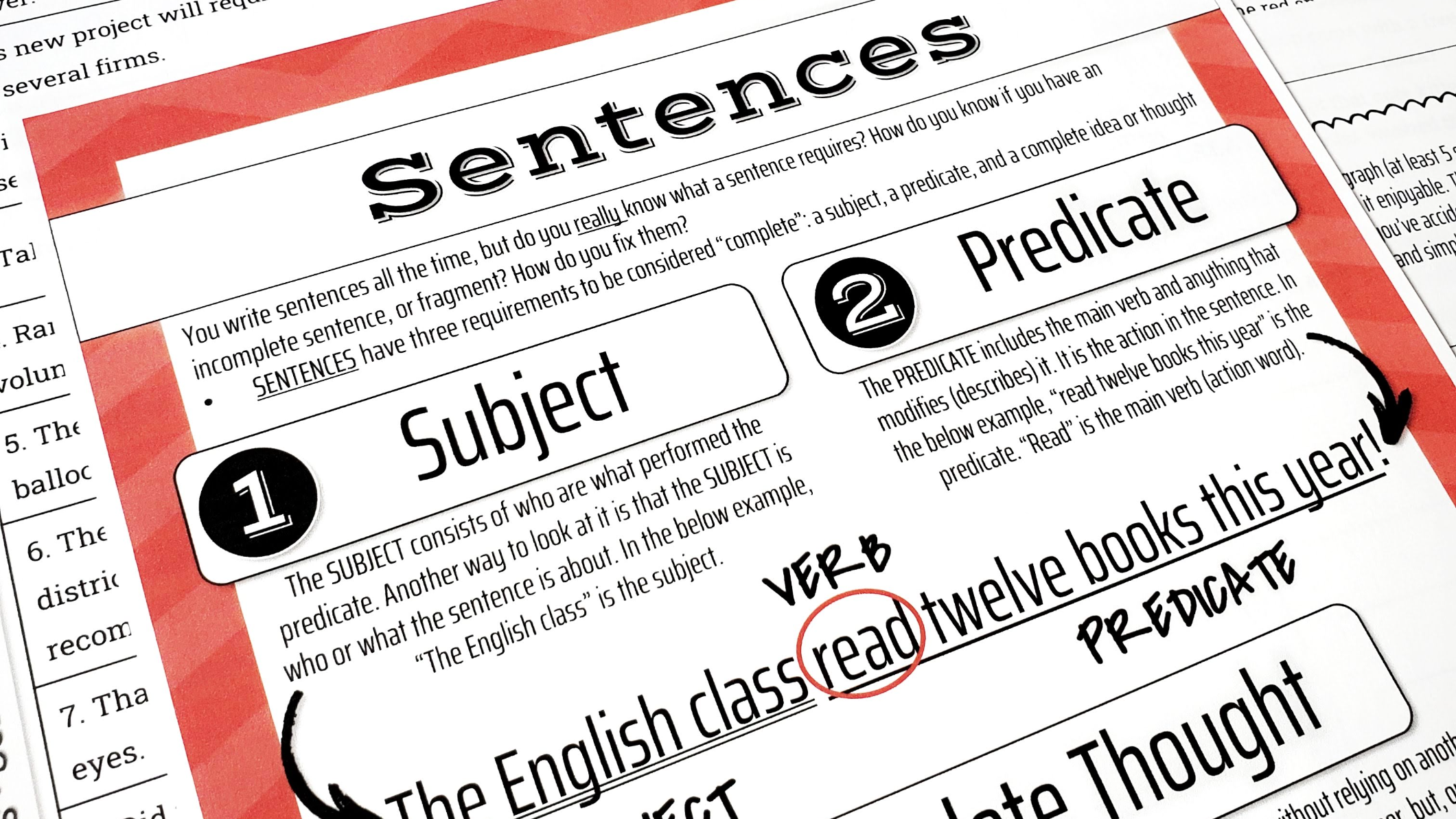
1. Builds Foundational Skills
Repetition is key to mastery, and daily practice helps students internalize grammar rules and patterns. By revisiting key concepts regularly, students develop a strong foundation that supports their writing and speaking skills.
Students need to practice their knowledge over and over until it becomes second nature!
2. Increases Confidence
Let’s face it: grammar can feel overwhelming for students who struggle with it.
By incorporating short, manageable activities into your daily routine, you create opportunities for consistent wins. These small successes build confidence over time.
3. Enhances Writing Quality
When students have a strong grasp of grammar, their writing becomes clearer, more polished, and more effective. Do you know what that really means? It means grading and reading student writing becomes easier for you!
4. Supports Test Preparation
Look, while we all wish high-stakes testing would disappear, it’s not going anywhere. And too much rests on those test scores to ignore them. Helping our students practice their grammar on the regular is one of the easiest way to bump up those scores.
Standardized tests often include grammar components, and they can be a source of stress for students. Daily practice ensures that students are prepared, not just for exams, but for real-world communication as well. It’s like giving them a daily dose of confidence.

Ideas for Implementing Daily Grammar Practice
Ok, I know what you’re thinking. Sure, regular grammar practice is important–but I have so many other things to do! How can I possibly add anything else?!
Incorporating daily grammar practice into your classroom routine doesn’t have to be complicated. And it doesn’t have to take forever!
Even just five minutes a day revisiting an old topic or making corrections on some in-classroom writing can be enough to help cement those grammar skills for your students.
Daily Grammar Practice Idea #1: Daily Bell Ringers or Warm-ups

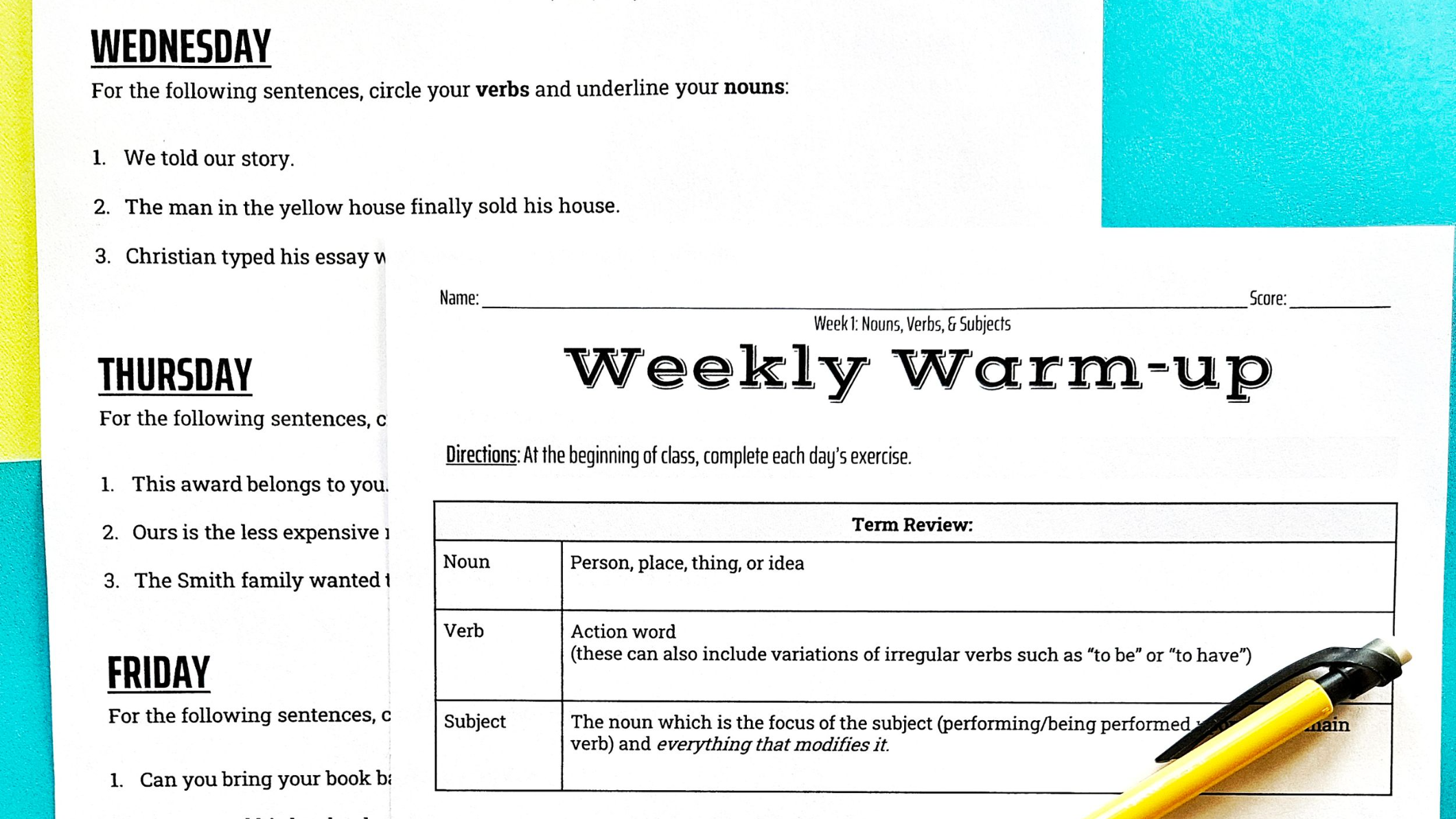
My absolute favorite way to incorporate daily grammar practice is with the use of bell ringers or warm-ups. They’re a proven grammar strategy for helping students and boosting their confidence.
The beauty of these warm-ups is that they make grammar part of your regular routine. Once you have your bell ringers made (or you grab my done-for-you bell ringers here), you’ll never have to think about it again.
They simplify your routine, your classroom management, and your lesson planning.
Of course, there are lots of other ways to practice grammar every day too!
Daily Grammar Practice Idea #2: Analyze Grammar “In the Wild”

One of the biggest mistakes we can make as grammar teachers is to teach grammar without teaching any context.
Students need to know why grammar is important. They need to know how grammar choices can impact meaning.
So challenge students to find examples of grammatical concepts in the real world, as you work through your class text, or during their independent reading.
These Grammar In Context Independent Reading Exit Tickets can make it easy for you. Students find an example of a piece of grammar in any book and examine how that grammar shapes the author’s tone or meaning.
While they’re meant to be used with a choice novel, you can have students fill them out for your whole-class read. You can even send these tickets home with students and challenge them to find their grammar examples in the newspaper, on business signs, in magazines, or wherever!
Students don’t need to just practice grammar. They need to understand it.
Daily Grammar Practice Idea #3: Regular Worksheets

Ok, ok, I know. Worksheets. Not the most innovative idea. But they DO work! There’s a reason worksheets are timeless.
Worksheets are especially great for when your students are really struggling with a concept.
It’s May and students have totally forgotten the parts of a sentence from way back in September? Assign a worksheet to jog their memory.
Students keep creating comma splices? Assign a worksheet to get them hunting those mistakes down and correcting them quickly.
You don’t want to give students a worksheet every single day, but make sure they’re part of your grammar arsenal.
You can grab these Seasonal Grammar Review Worksheets and have a worksheet ready to go for any occasion, need, or time of year!
Daily Grammar Practice Idea #4: Peer-editing

After you’ve spent some time teaching your students grammar basics, turn it around on them. Make your students the ones to hunt down mistakes!
Peer editing activities encourage collaboration and critical thinking. When students review each other’s work for grammar, they not only reinforce their own knowledge but also learn from their peers’ mistakes and strengths. This collaborative approach makes grammar practice more dynamic and engaging.
When it’s time for students to write their first long assignment, make sure you save time for peer-editing. Make looking for the concepts you’ve already taught a high priority for peers to check.
This Peer-editing Station Activity includes a grammar check station if you want an easy activity to do this.

Make Grammar Practice a Daily Habit
Daily grammar practice might seem like a small change, but it can have a big impact on your students’ abilities. Whether you use sentence correction challenges, grammar in context, or pre-made warm-up activities, consistency is key. Think of it like brushing your teeth—a little effort each day leads to great results!
If you’re looking for an easy way to get started, check out my Year-long Grammar Warm-Ups or Bell Ringers. With these resources, you’ll have everything you need to make grammar practice a seamless part of your classroom routine.